Thanks to Tim Archer (Class of 2024) for the great photos below of the sole candyroot (Polygala nana) that we saw on our class walk at the South Oslo Riverfront Conservation Area (SORCA) on 2/11/2024. Alas, it was the only individual present.

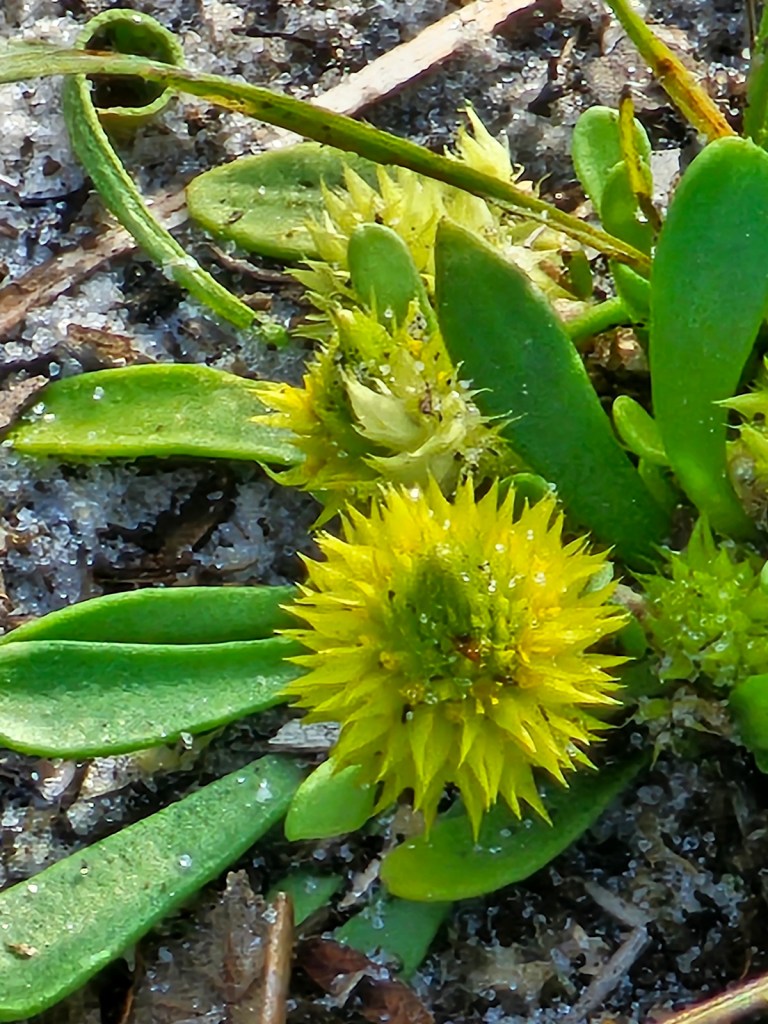
Prior to the overzealous trail widening, this annual (or sometimes biennial) native wildflower flourished in the sunny open area where the original (northern) SORCA trail turns. Many individual plants were present for many years.
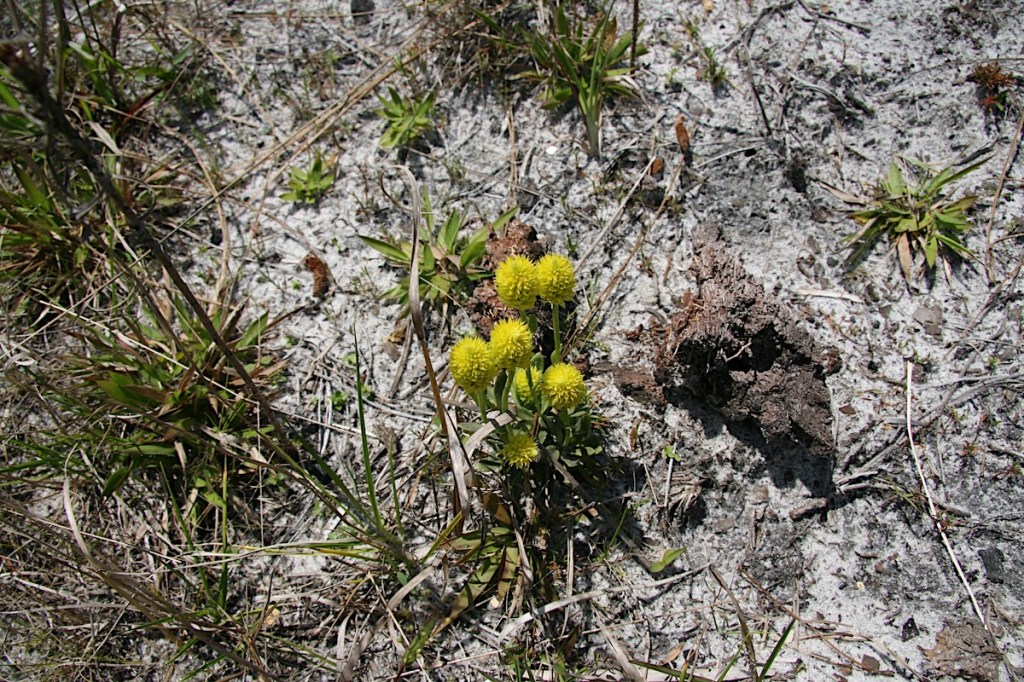
We have also seen this lovely but tiny plant at the North Sebastian Conservation Area (NSCA), and the top photo of a robust plant, as well as the 2 photos below, which were taken at the NSCA in April of 2014.

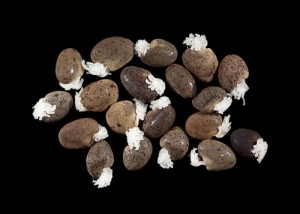
The tiny seeds of candyroot have special fleshy structures (elaisomes) attached to them seeds that are rich in oil and proteins. Ants take the seeds into their nests, eat the protein and fat-rich elaisomes, and then “dump” the seeds outside the nest. Often, these “prepared” seeds germinate. Myrmecochory is the fancy word for this plant “trick” – seed dispersal by ants.
Candyroot is blooms throughout the year, especially in the spring and summer. Look for it in pine flatwoods throughout the southeast U.S.. Why is commonly called candyroot? Its roots are said to have a licorice-like flavor when chewed or brewed into a tea. Do take care: It is said to have emetic properties.
Its genus name Polygala means much milk, and plants in this genus were once thought to increase milk production in cows. Plants in this genus are often referred to as milkworts. Its species name nana refers to its small size.
Look carefully for this plant in natural areas. It easily can be overlooked due to its diminutive size: Its basal rosettes usually are about 3″ tall.
 Enjoy the Oslo Riverfront Conservation Area