

You will find lots and lots of coinvine (Dalbergia ecastaphyllum).seeds on the beach. It is hard to tell if these seabeans have come from “local” Florida plants or have been carried from other places by tropical currents arising in the New World. This plant is yet another member of the large pea family (Fabaceae).
According to the World Guide to Tropical Drift Seeds and Fruits by C.R. Gunn and J.V. Dennis, coinvine seeds can float for up to 9 months with 25% viability. The buoyancy of these seeds comes from the corky seed coat and because the seed only partially fills seed cavity …
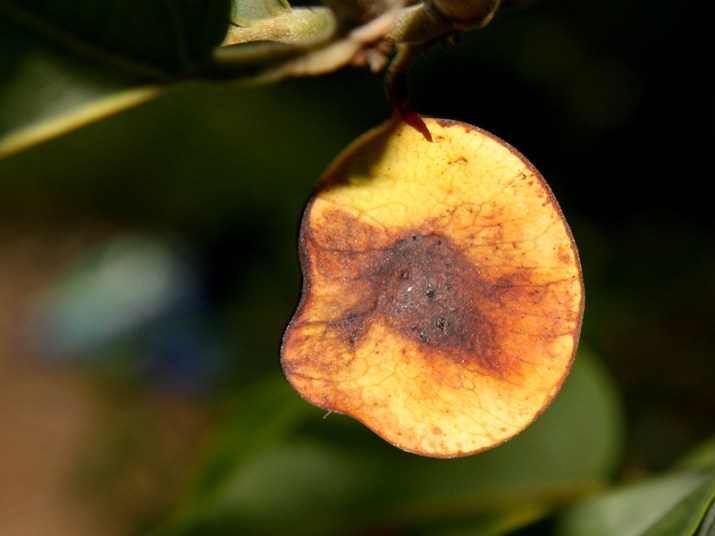
Coinevine grows swiftly, often will climb over other plants, and reportedly can grow to be 70′ long. In the tropics, it can become a tree. The tops of its Its pinnate alternate leaves are pubescent, and its branches can get woody.

Its flowers grow from the leaf axles (angles) and are held in panicles. They flower throughout the year, especially during the spring and summer. The flowers provide nectar and pollen for pollinators.
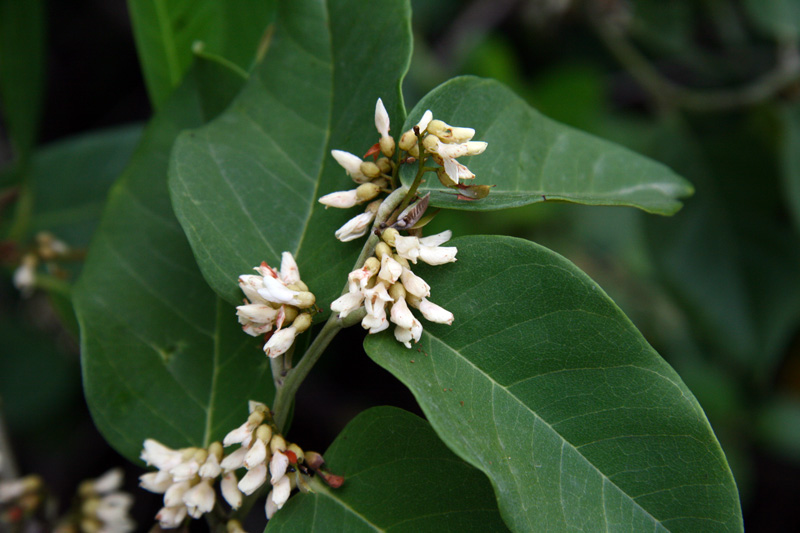
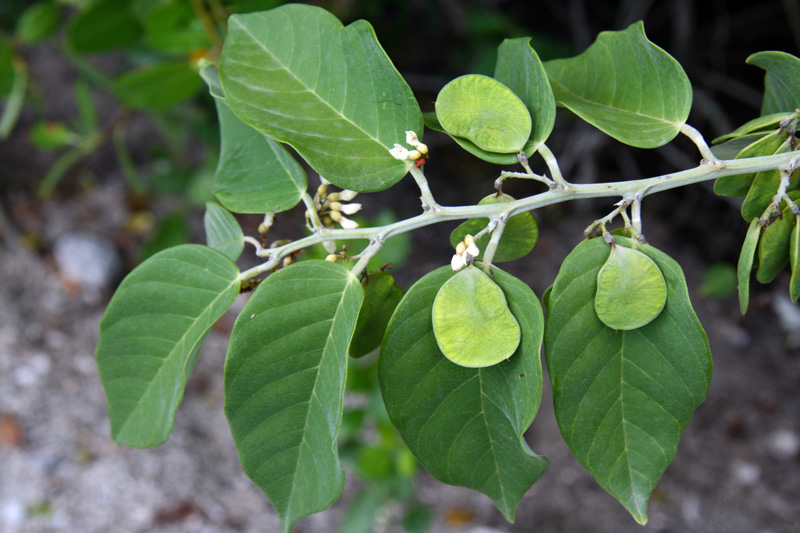
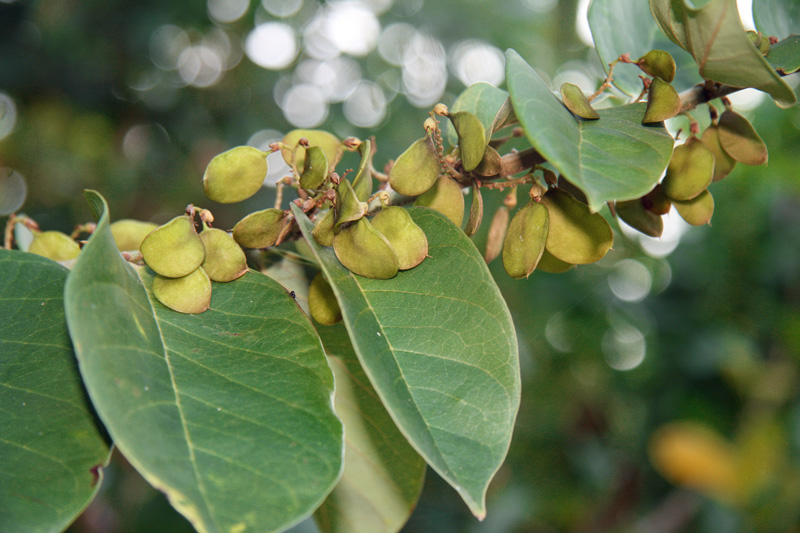
Coinvine is part of the mangrove community and is shown below growing on a mosquito control impoundment dike along with railroad vine (Ipomoea pes-caprae) …
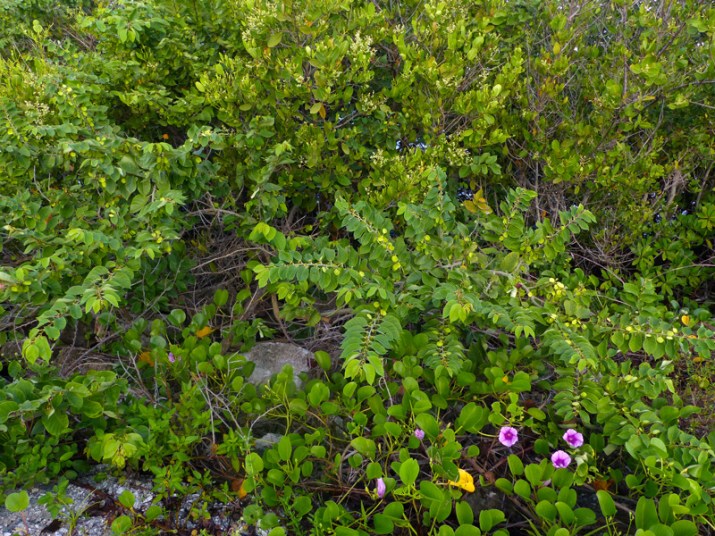
It also grows on the back the beach dune, where it sometimes out-competes other vegetation. Visit South Beach in Vero Beach to see a grand stand of this vine. You will find lots of “coins” on our beaches, as shown in a photo taken by Bob Montanaro in 2014.

 Enjoy the Oslo Riverfront Conservation Area