Explore Nature ...

Nature is everywhere … Enhance your understanding of the plants, insects, animals & complex interactions by reading about the ORCA & other natural areas.

Seabean #7: Coralbean

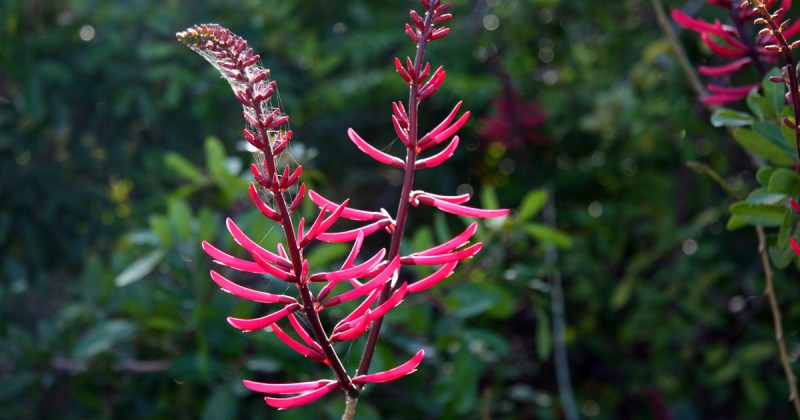
Another seed capable of ocean transport comes from yet another native member of the pea family (Fabaceae), coralbean (Erythrina herbacea). Also called Cherokee bean, this tropical tree grows throughout Indian River County including at the Oslo Riverfront Conservation Area, Captain…

Seabean #6: Coinvine

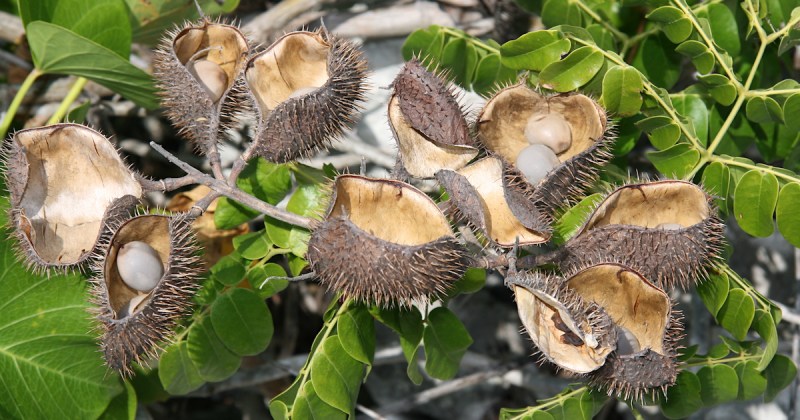
You will find lots and lots of coinvine (Dalbergia ecastaphyllum).seeds on the beach. It is hard to tell if these seabeans have come from “local” Florida plants or have been carried from other places by tropical currents arising in the…

Seabean #4: Baybean

Baybean (Canavalia rosea) is 1 of the 2 vines that grow on the font of beach dunes almost always toward the ocean. This vine grows swiftly and sometimes is said to be the inspiration for the Jack-in-the-Beanstalk story. Hence, it…

Seabean #2: Tallownut

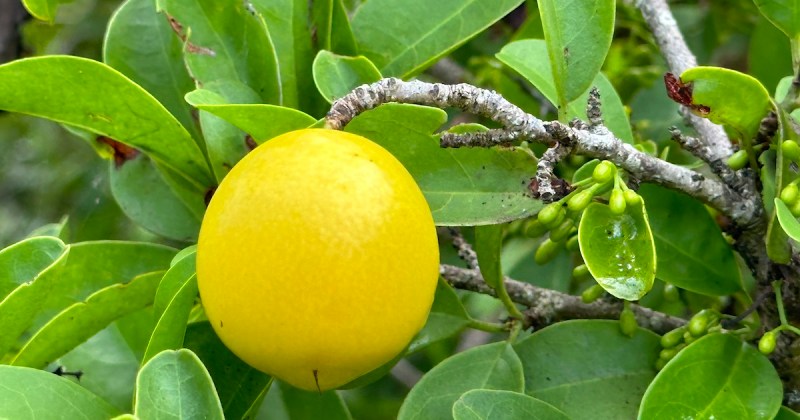
Another native plant with seeds that float for long distances is tallow wood (Ximena americana). You will find this plant growing in sandy places – both beach and scrub. Inside the delicious, fragrant fruit is a seabean, a seed that…

Always Reclining?

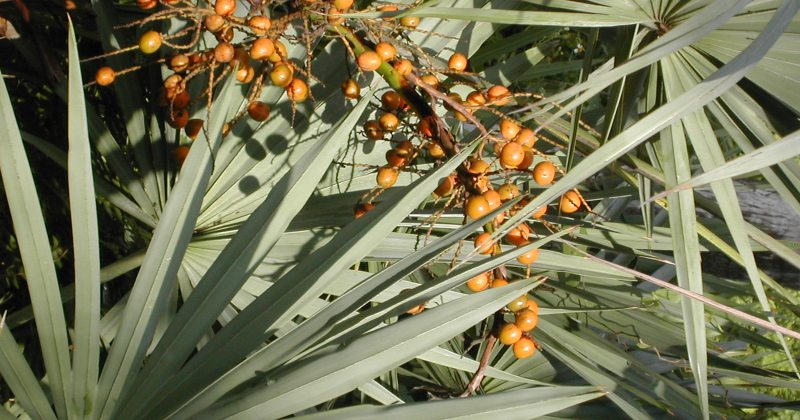
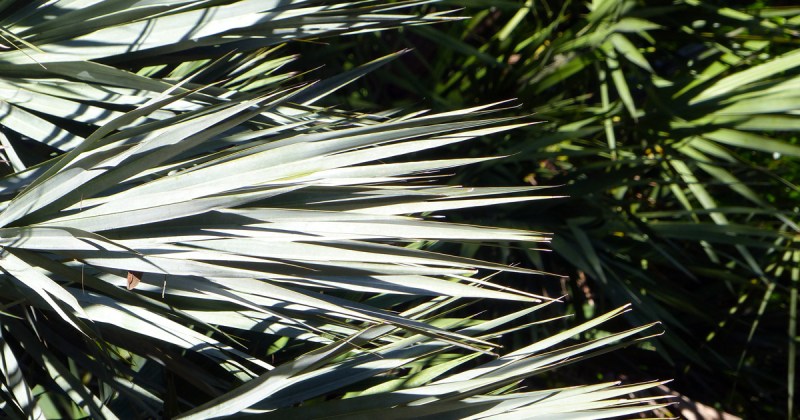
Plants often defy their “textbook” descriptions. Saw palmetto (Serenoa repens) is no exception. Its species name repens means reclining. The UF/IFAS publication on saw palmetto states “this slow-growing, small palm only reaches 3 to 6 feet in height.” Outliers are…

Love Lovebugs

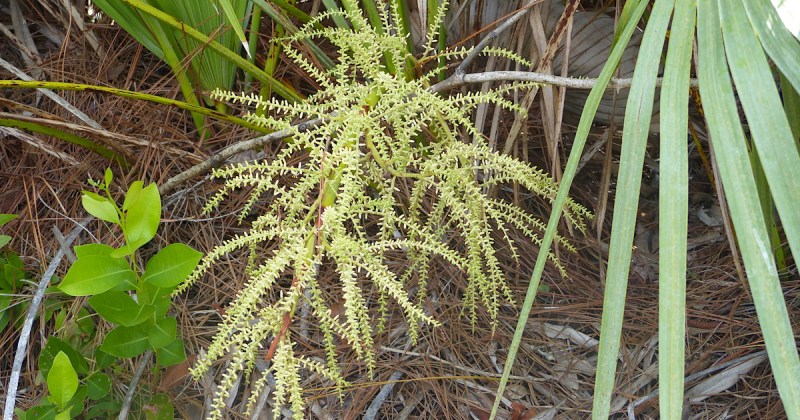
Lots of insects visit the sweetly fragrant flowers of saw palmetto (Serenoa repens) including lovebugs (Plecia nearctica). Lovebugs emerge in large numbers twice a year: Late spring (April/May) and fall (August/September). Male lovebugs emerge before the females. Once coupled, the…