
When we visited the south side of Oslo Riverfront Conservation Area (SORCA) on 6-#-2023 to look for orchids in the oak hammock, we also ventured (despite the rising heat) into the dry pine flatwoods where we enjoyed seeing some pretty flowers …
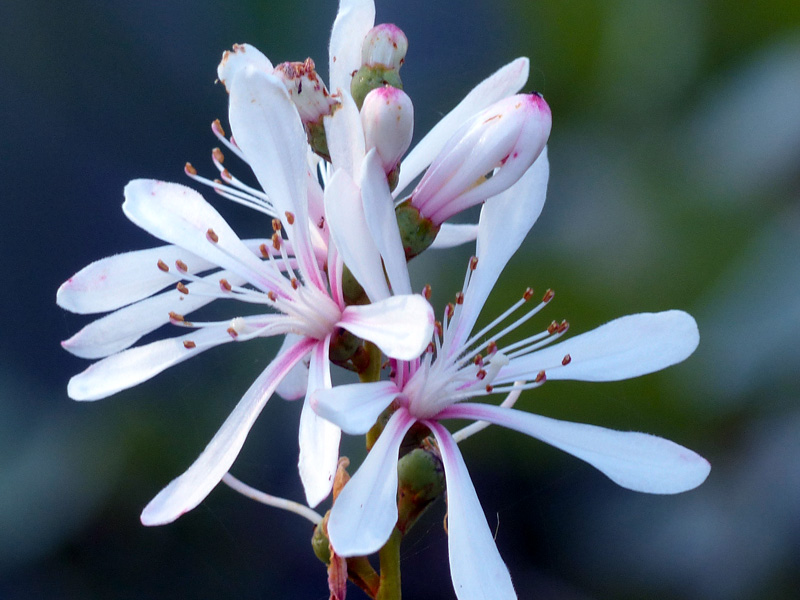

Tarflower (Bejaria racemosa)
The undersides of the flowers of tarflower are quite sticky, which is thought to prevent insects from robbing nectar from the flowers without pollinating them. Native bees are its primary pollinators. Settlers hung the pretty flowers from their ceilings in their homes to catch insects, a precursor to the Shell No-Post strips also of bygone days and the reason that some folks refer to this plant as the flycatcher. Like fetterbush (Lyonia lucida) and coastalplain staggerbush (Lyonia fruticosa), tarflower is a member of the heath family, Ericaceae. Tarflower can be differentiated from these relatives by its pubescent stems and the pale undersides of its leaves. The fruits of plants in this family are a dry capsule.
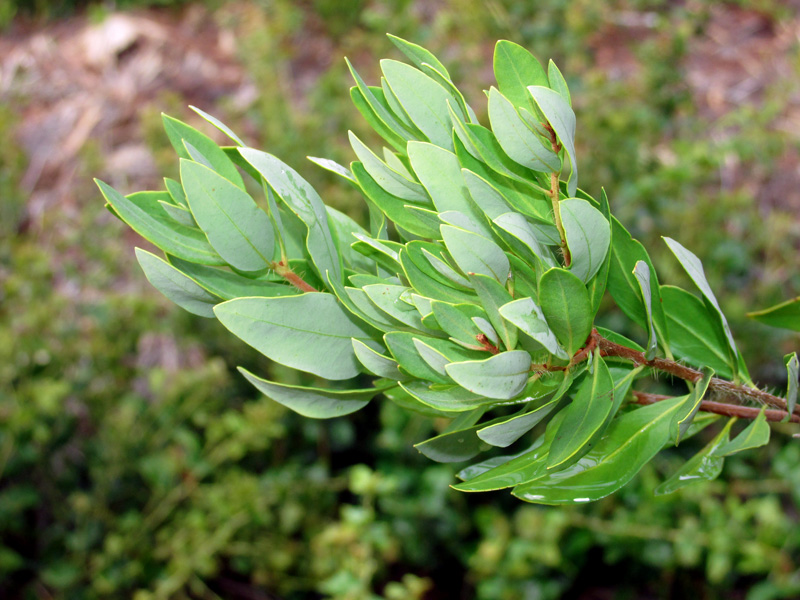

Fourvalve mimosa (Mimosa quadrivalvis)
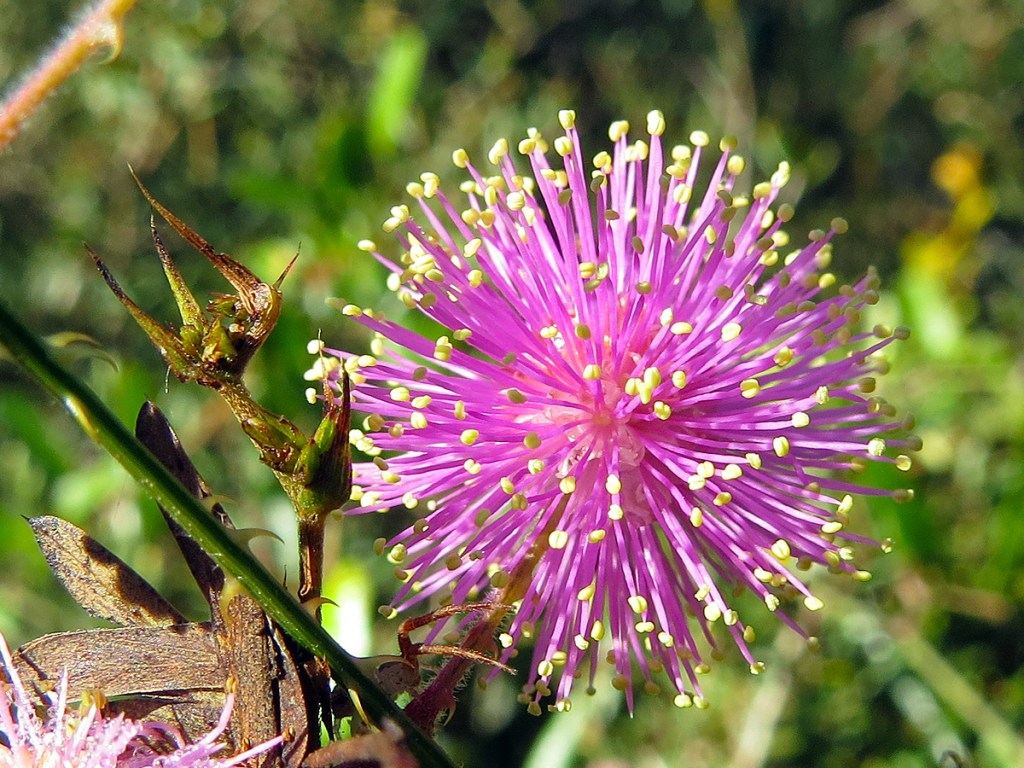
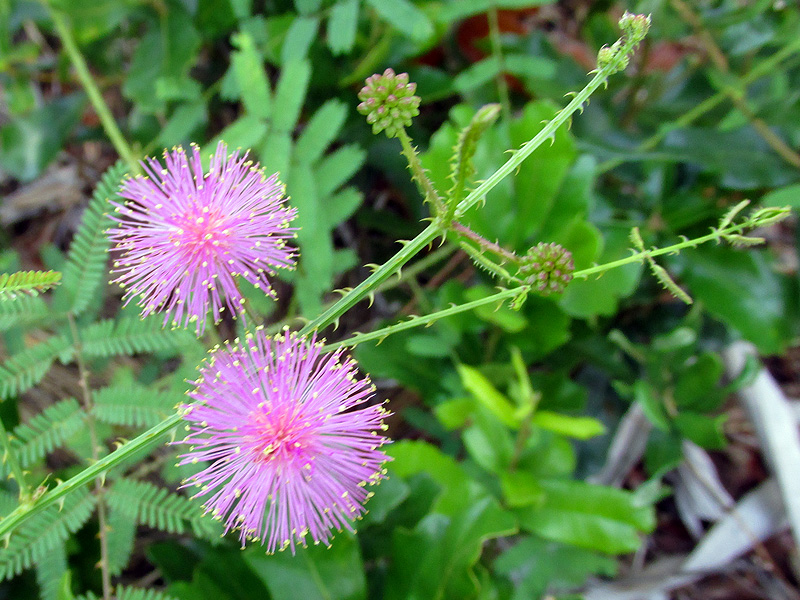
The dime-sized flowers of fourvalve mimosa are quite showy and are attractive to a bevy of pollinators.Though delicate, this vine sports some serious prickles (thorny structures that emenate from the epidermis). Its leaves are sensitive to the touch and fold up when molested, giving rise to the common name sensitive briar.

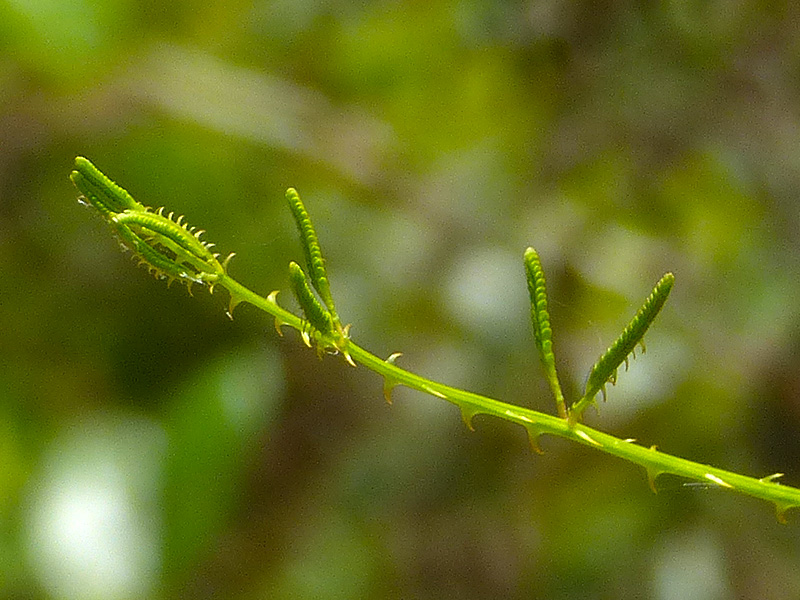
Piedmont black Senna (Seymeria pectinata)
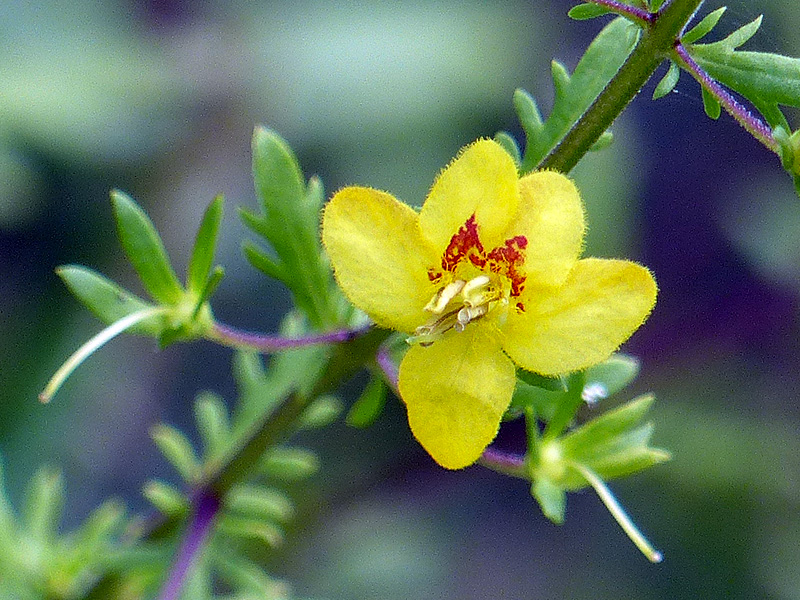
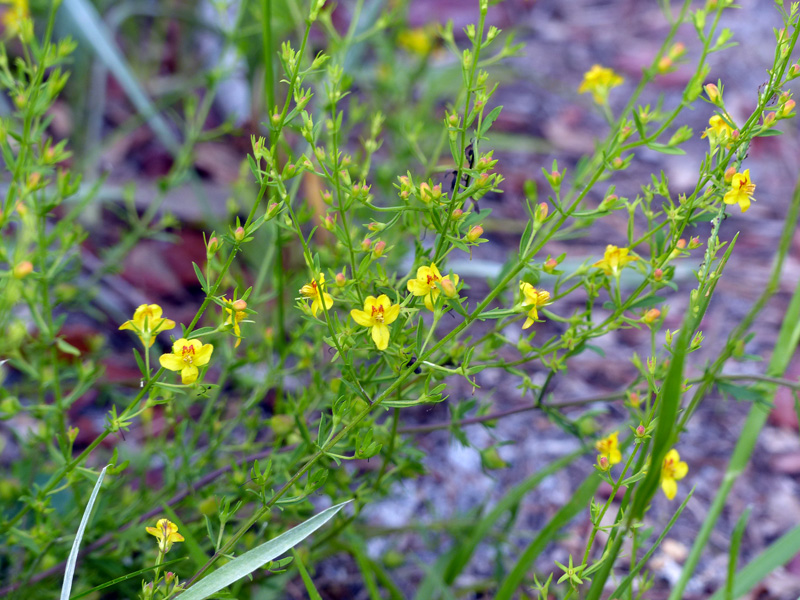
The size of the populations of the partially parasitic Piedmont blacksenna depends on the mowing practices of Indian River County Parks Department. Only a very few plants were present when we visited this year. This plant does some of its own photosynthesis but also sucks nutrients from nearby plants via specialized root structures (haustoria). Growth is very compact in full sun and are open is shaded conditions. At the end of the growing season, this plant blackens …
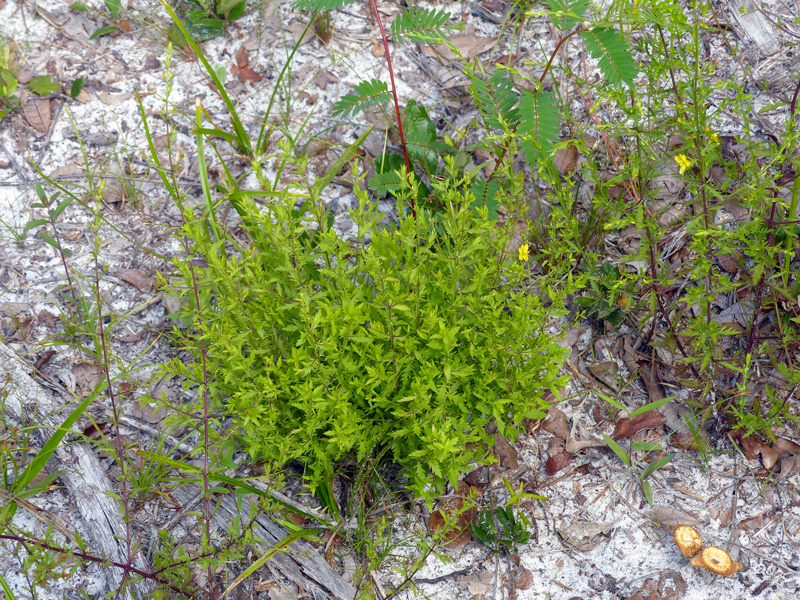
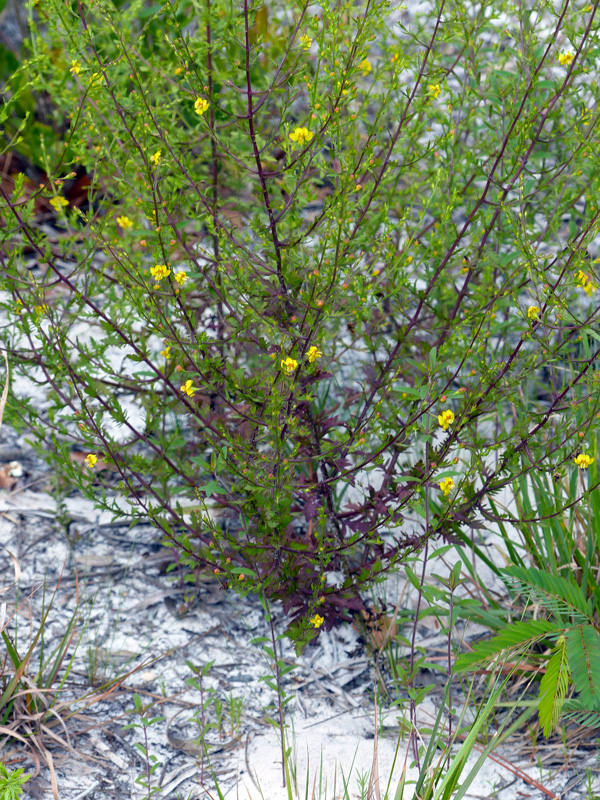
Rough hedgehyssop (Sophronanthe hispida)
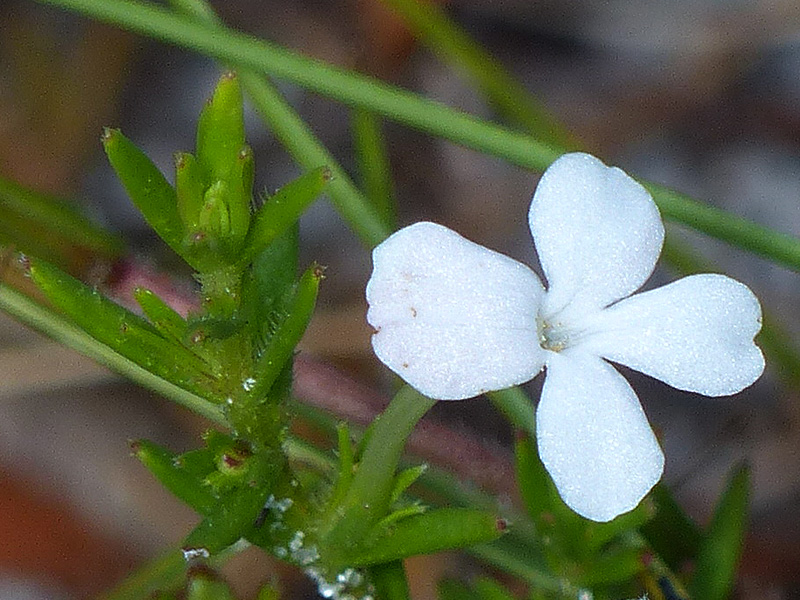
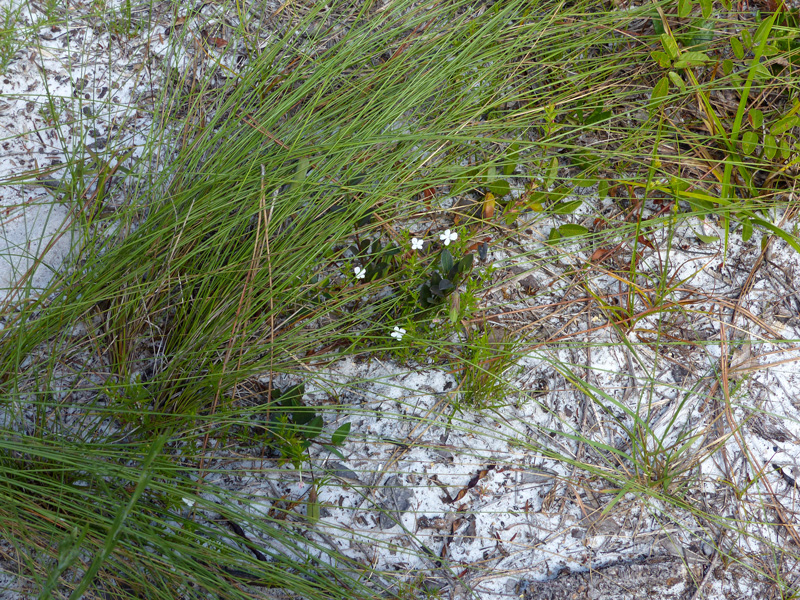
Rough hedgehyssop (Sophronanthe hispida) has never been common at SORCA, and its population has been dramatically diminished by repeated trail widening. Its needle-like leaves are clustered along the stems and are coarsely hairy (hispid). Its genus name, Sphronanthe, means modest flowered.
Also commonly called hyssop hedge nettle and upland hyssop, this plant is endemic to the southeastern U.S. and grows in dry pine flatwoods. An August 1964 U.S. Forest Service Research Paper examining the forage value of a variety of plants characterizes this plant as common in “pine – palmetto: plant communities. It has no forage value but is a delightful plant for folks to see.
 Enjoy the Oslo Riverfront Conservation Area