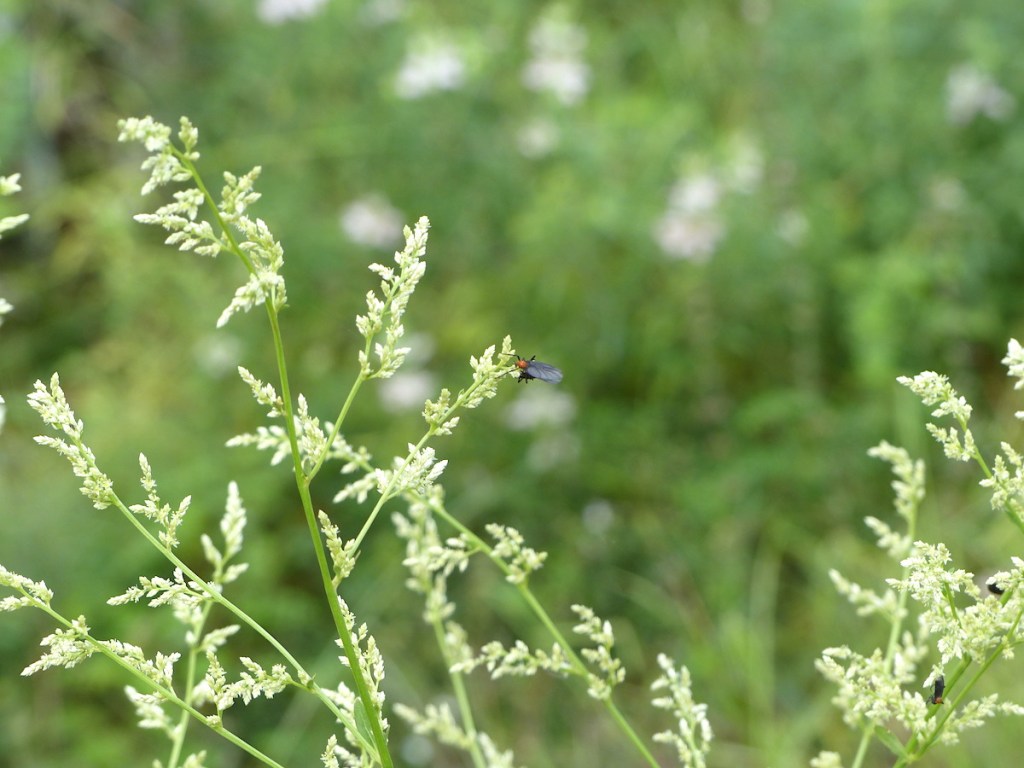

Lovebugs (Plecia neartica) don’t bite but can become a nuisance due to their (sometimes) sheer numbers. Carbon dioxide attracts them, and a voluminous number of them end up “collected” on the windshields and bumpers of unsuspecting cars.
No, they there were NOT accidentally released by University of Florida. That is a crazy urban legend.
Lovebugs were much more prolific in the past. In the early 1990’s, I would travel from Sarasota to Vero Beach and would need to stop on my way across the state to remove the accumulation from my windshield in order to see. I carried paper towels and window cleaner with me always during the spring and fall love bug seasons.
For many years folks around here had been wondering where all the love bugs had gone. This year they have returned (somewhat), perhaps, due to our winter with freeing temperatures that left behind dead and decaying plant material in which they can reproduce.
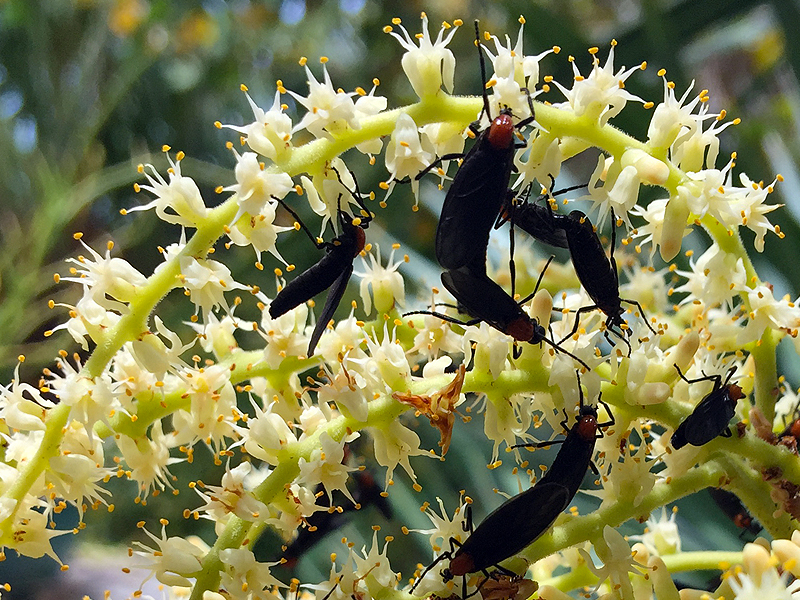
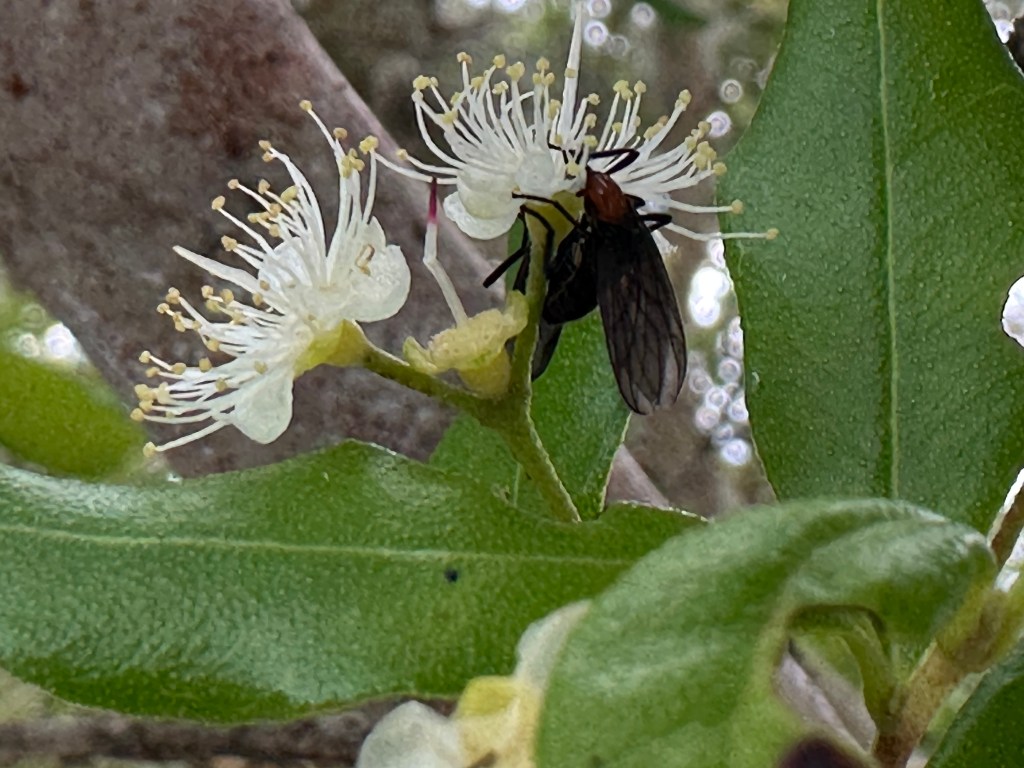
Lovebugs seem to find white flowers very appealing. Saw palmetto (Serenoa repens) and Simpsons stopper (Myrcianthes fragrans) often are visited in spring,
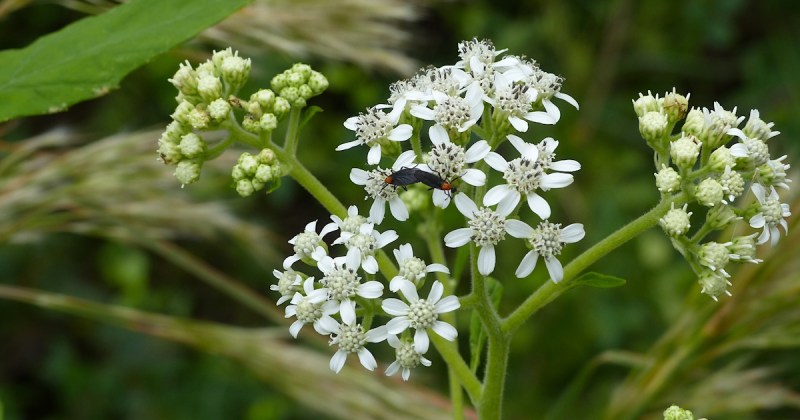
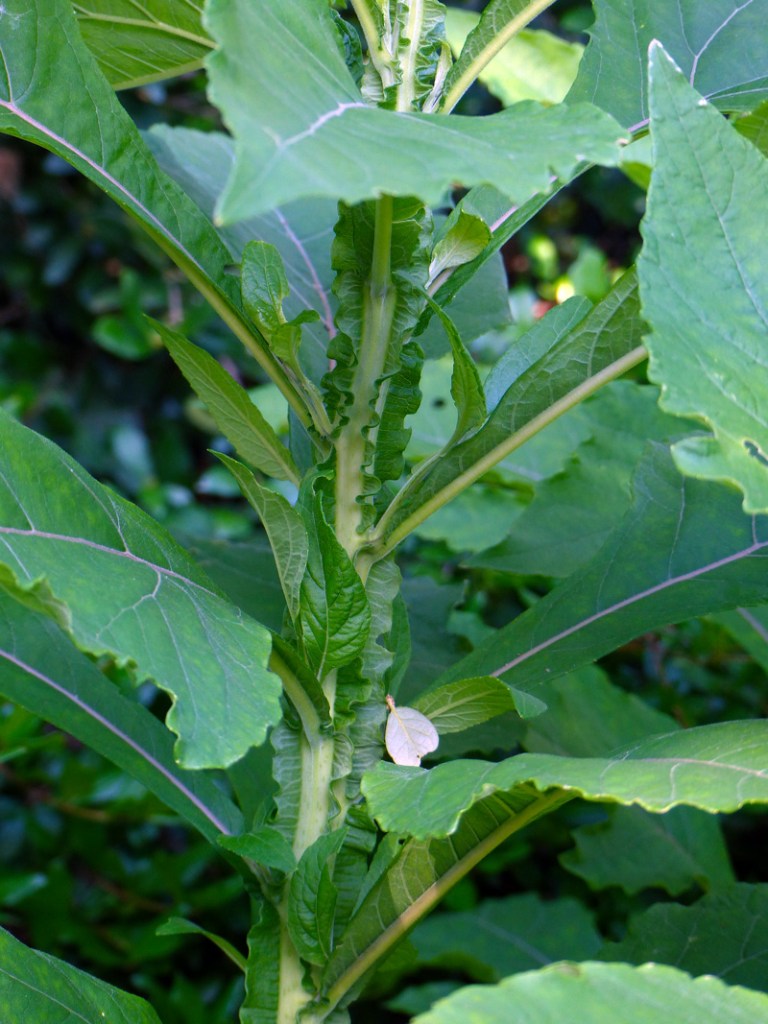
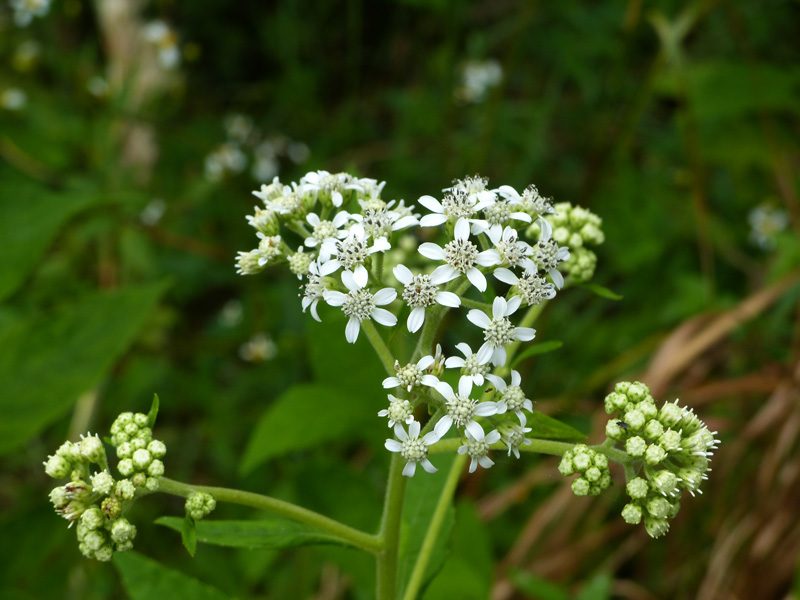
The second lovebug emergence comes in the fall, and is now underway. Sometimes, Simpsons stopper is flowering for a second time. White crownbeard a.k.a frostweed (Verbensina virginica) flowers in the fall, and its white flowers are quite attractive to lovebugs.
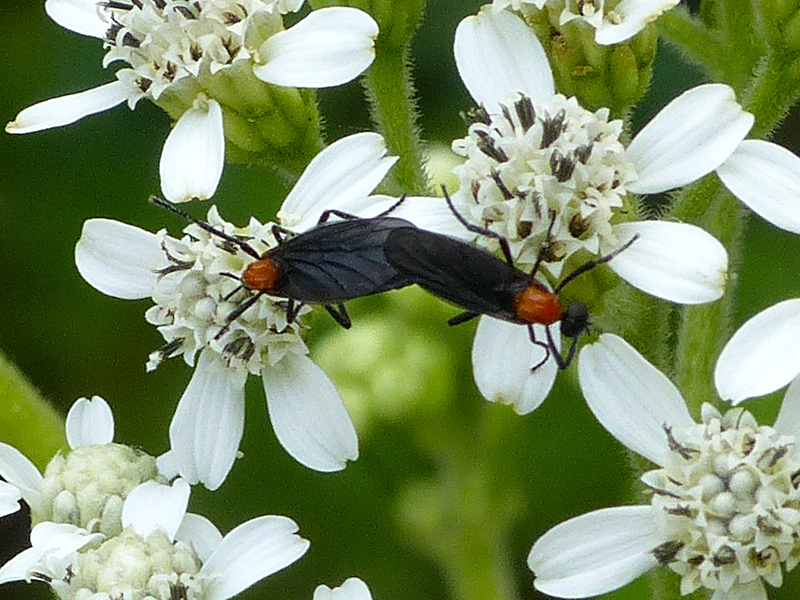
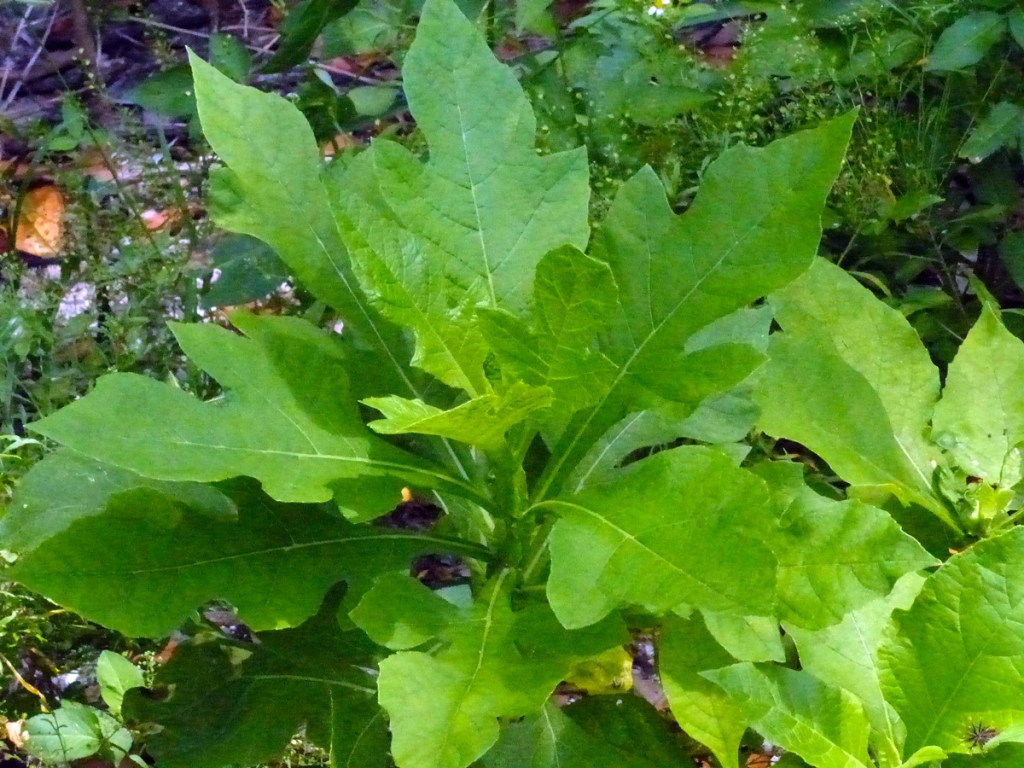
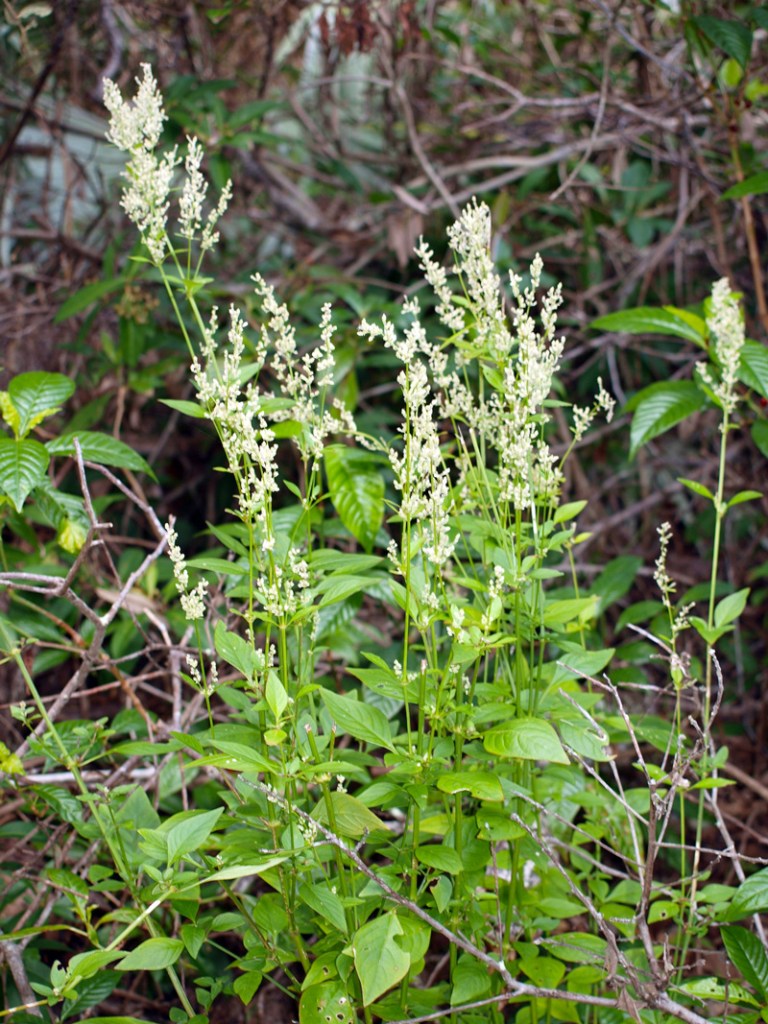
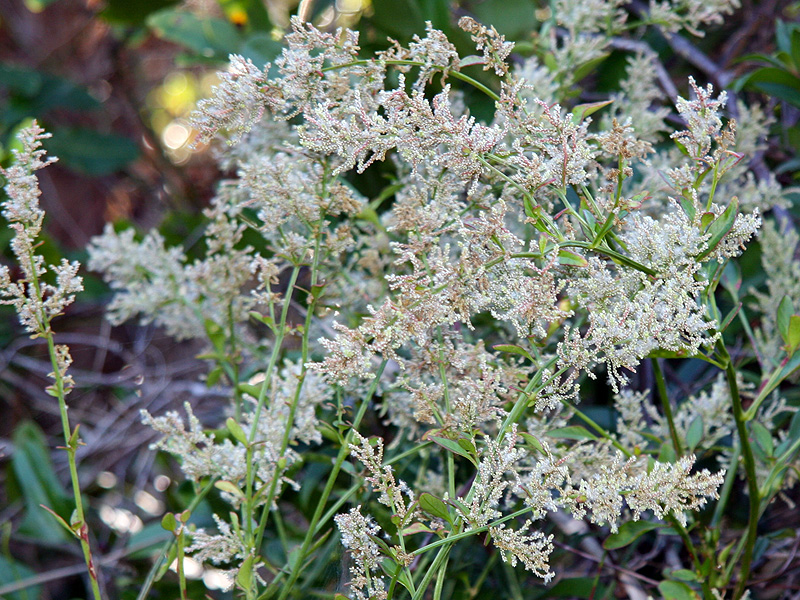
Are lovebugs pollinators? Yes, accidentally so. Both male and female lovebugs visit flowers for nectar for energy. Once mated, the females visit flowers with greater frequency than males. Below, you can see individual lovebugs nectaring on Juba’s bush (Iresine diffusa).